
-
-
 Cardiology
-
 Clinical Oncology
-
 Dental
-
 Dermatology
-
 Ear, Nose, Throat (ENT)
-
 Endocrinology
-
 Gastroenterology
-
 General Surgery
-
 Gynecology & Obstetrics
-
 Interventional Cardiology
-
 Nephrology
-
 Neurology
-
 Oncology Surgery
-
 Ophthalmology
-
 Orthopedics
-
 Pediatrics
-
 Pediatrics Surgery
-
 Physiotherapy
-
 Plastic Surgery
-
 Psychiatry & Psychology
-
 Radiology
-
 Urology
-
 Vascular Surgery
-

 Anatomy Lab Equipments
 Biochemistry Lab Equipments
 Biology Lab Equipments
 Chemistry Lab Equipments
 Cytology Lab Equipments
 Cytopathology Lab Equipments
 Dental Lab Equipments
 Forensic Lab Equipments
 Genetics Lab Equipments
 Hematology Lab Equipments
 Histology Lab Equipments
 Histopathology Lab Equipments
 Mathematics Lab Equipments
 Microbiology Lab Equipments
 Molecular Biology Lab Equipments
 Pathology Lab Equipments
 Pharmaceutical Lab Equipments
 Physics Lab Equipments
 Radiology Lab Equipments
 Science Lab Kit’s
 Toxicology Lab Equipments

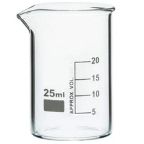 Borosilicate Glass Beaker
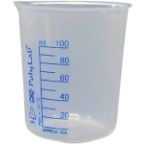 Plastic Beaker (Euro Design)
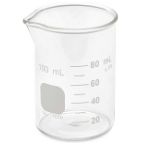 Plastic Beaker (Printed Graduation)
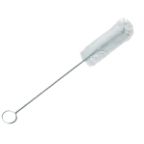 Test Tube Brush
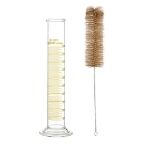 Measuring Cylinder Brush
 Conical Flask Brush
 Volumetric Flask Brush
 Round Bottom Flask Brush
 Glass Beaker Brush
 Pipette Brush
 Wash Bottle Brush
 Borosilicate Büchner Flask
 Borosilicate Erlenmeyer/Conical Flask
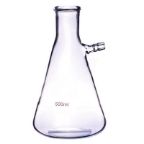 Borosilicate Pear-Shaped Flask
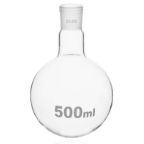 Borosilicate Round Bottom Flask
 Plastic Conical Flask
 Plastic Volumetric Flask
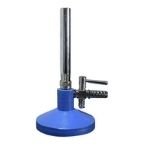 Bunsen Burner
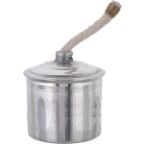 Spirit Lamp
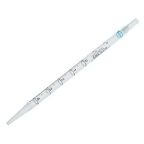 Borosilicate Glass Burette
 Plastic Burette
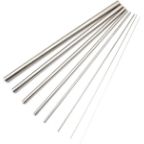 Capillary Tube
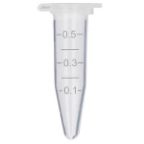 Centrifuge Tube
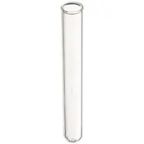 Test Tube
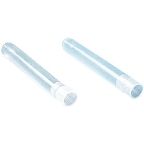 Ria Vial
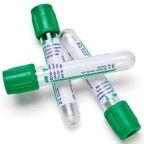 Vacutainer Tubes
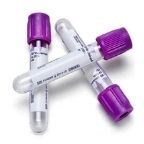 Syringes
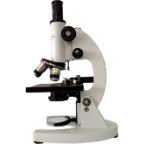 Student Microscope
 Binocular Microscope
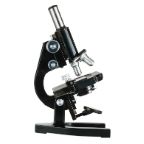 Dissecting Microscope
 Microscope Glass Slides
 Cover Slip
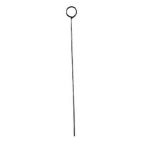 Inoculating Loop
 Slide Box
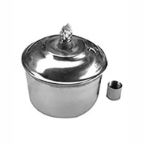 Lamps
Lamps
 Oils
Oils
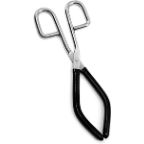 Beaker Tongs
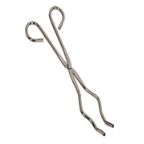 Crucible Tongs
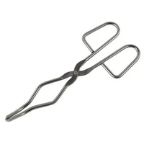 Flask Tongs
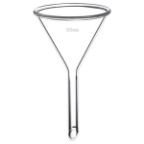 Borosilicate Glass Funnel
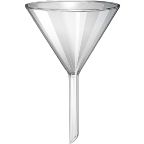 Plastic Funnels
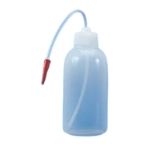 Wash Bottle
 Borosilicate Glass Reagent Bottle
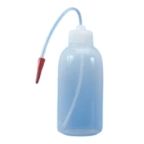 Plastic Reagent Bottle
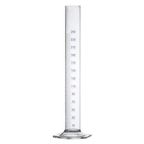 Borosilicate Measuring Cylinder
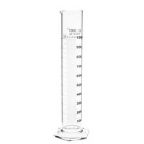 Plastic Measuring Cylinder
 Borosilicate Glass Graduated Pipette
 Borosilicate Glass Volumetric Pipette
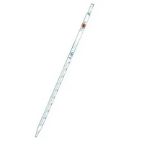 HB Pipette
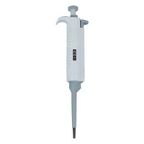 Pasteur Pipette
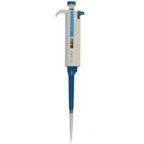 Micropipettes
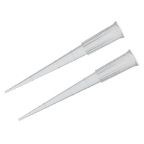 Micropipette Tips
 Filter Paper
 Litmus Paper
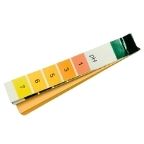 pH Paper
 Chromatography Paper
 Plastic Petri Plates (Sterile)
 Glass Petri Plates (Non-Sterile)
 Safety Goggles
 Lab Coats
 Gloves
 Masks
Masks
 Shoe Covers
 Hair & Beard Covers
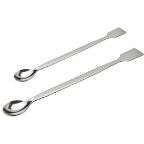 Steel Spatula
 Plastic Spatula
 Hitachi Sample Cup
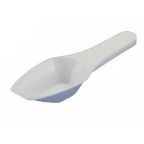 Plastic Scoop
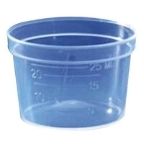 Plastic Medicine Cup
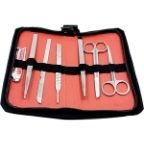 Dissecting Tool Kit
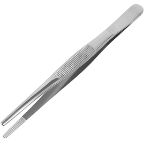 Dissecting Forceps
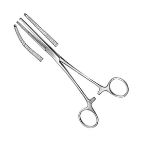 Hemostatic Forceps
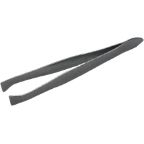 Thumb Forceps / Tweezers
 Blood Culture Bottle
 Urine Container
 Wooden Swab Stick
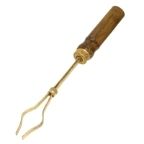 Test Tube Holder
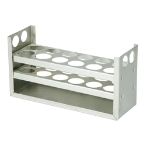 Test Tube Racks
 Magnifying Glass
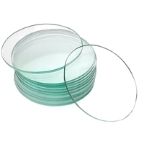 Watch Glass
 Mortar and Pestle
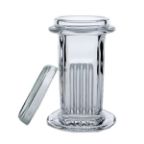 Coplin Jar
 Plastic Stirrer
 Glass Stirrer
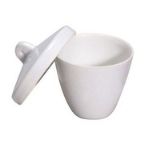 Crucible
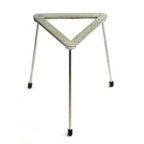 Tripod
 Wire Mesh
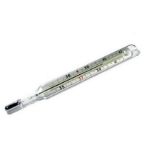 Laboratory Thermometer
 Tourniquet
 Alcohol Swab
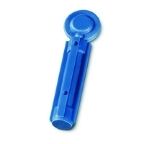 Blood Lancet
 Bandage
 Gloves & Masks









Burette – A Comprehensive Guide for Everyone


Contents
- Introduction to Burettes
- What Is a Burette?
- Key Components of a Standard Burette
- Types of Burettes Used in Laboratories
- Glass vs. Plastic Burettes: Which Is Better?
- How a Burette Works: Basic Principle Explained
- Step-by-Step Guide to Using a Burette
- Understanding Burette Calibration
- Common Applications of Burettes in Titration
- Importance of Accuracy and Precision in Burette Use
- Proper Cleaning and Maintenance of Burettes
- How to Read a Burette Correctly
- Best Practices to Avoid Errors During Titration
- Safety Precautions When Handling Burettes
- How to Store a Burette for Long-Term Use
- Digital and Automatic Burettes: Modern Alternatives
- Choosing the Right Burette for Your Laboratory
- Troubleshooting Common Burette Problems
- Benefits of Using High-Quality Burettes
- Burette Price Range and Buying Guide
- Final Thoughts on Using Burettes Effectively
- Frequently Asked Questions About Burettes
Introduction to Burettes
When it comes to laboratory work, precision is key. Enter the burette—a crucial instrument that plays an essential role in titration and various chemical analyses. Whether you’re a seasoned chemist or just starting your journey in the lab, understanding how a burette works can significantly enhance your experiments. It’s not just about pouring liquids; it’s about measuring with accuracy and confidence.
In this comprehensive guide, we’ll dive deep into everything you need to know about burettes. From their components and types to practical tips for using them effectively, we’ve got you covered. Ready to elevate your lab skills? Let’s get started!
What Is a Burette?
A burette is a precision instrument used in laboratories for measuring and delivering liquids. Typically made of glass or plastic, it features a long, narrow tube with markings along its side to indicate volume.
The primary function of a burette is to dispense exact amounts of liquid during experiments, particularly in titrations. This allows scientists to determine the concentration of unknown solutions accurately.
Burettes are often equipped with a stopcock at their base. This mechanism controls the flow of the liquid, enabling precise dispensing drop by drop or in larger volumes as required.
Widely utilized in chemistry and biology labs, burettes play an essential role in various analytical procedures. Their design ensures that even minute measurements can be achieved, making them indispensable tools for researchers and students alike.
Key Components of a Standard Burette
A standard burette is an essential tool in titration and other laboratory procedures. Its design includes several key components that contribute to its functionality.
The main body of the burette is a long, graduated tube. This allows for precise measurement of liquid volumes. Each mark on the scale indicates a specific volume, enabling accurate readings.
At the top, there’s a stopcock or valve. This device controls the flow of liquid from the burette. Turning it allows users to dispense solutions drop by drop, crucial for achieving desired concentrations during experiments.
Additionally, most burettes feature a funnel at their top opening. This funnel makes it easier to fill without spilling any solution outside the tube.
Some models have a protective casing or support stand attached. This adds stability and ensures safety while working with potentially hazardous liquids in lab environments.
Types of Burettes Used in Laboratories
Burettes come in various types, each designed for specific laboratory needs. The most common type is the glass burette, favored for its precise measurements and resistance to chemical reactions. Glass provides clarity and allows easy visualization of liquid levels.
Plastic burettes are another popular option. They’re lightweight and nearly unbreakable, making them ideal for educational settings or situations where safety is a priority. However, they may not offer the same precision as their glass counterparts.
Specialized burettes exist too, such as automatic versions that dispense fluids with minimal human intervention. These are particularly useful in high-throughput environments where speed is essential.
Digital burettes have emerged on the market. They feature electronic displays that enhance accuracy while reducing user error—perfect for those who prefer technology-driven solutions in their lab work. Each type serves a purpose tailored to different applications within scientific experimentation.
Glass vs. Plastic Burettes: Which Is Better?
When it comes to choosing between glass and plastic burettes, both materials have their strengths. Glass burettes are favored for their precision and clarity. They allow users to see liquid levels easily, making them ideal for accurate titrations.
On the other hand, plastic burettes boast durability and resistance to breakage. This makes them more suitable in busy labs where accidents can happen frequently. They also tend to be lighter, adding convenience during prolonged use.
Chemical compatibility is another important factor. Certain aggressive solvents or acids may react with plastics but not with glass, highlighting the need for careful selection based on your specific applications.
The choice often boils down to personal preference and lab requirements. Each type has unique benefits that cater to different needs within a laboratory setting.
How a Burette Works: Basic Principle Explained
A burette operates on a simple yet effective principle: controlled fluid dispensing. It features a long, graduated tube with a tap at the bottom, allowing precise release of liquid.
When you fill it, the liquid rises to the desired starting point marked by graduations. The key here is gravity and careful manipulation of the tap.
As you open the tap gradually, liquid flows out in measured amounts. This allows for meticulous control over how much substance is dispensed into another solution during experiments like titration.
The markings along the side help track volume accurately. Each increment counts when you’re aiming for precision in chemical analysis or reactions.
In essence, it’s all about leveraging gravity while maintaining fine control to achieve accurate measurements consistently.
Step-by-Step Guide to Using a Burette
Using a burette might seem daunting, but it’s quite straightforward. Start by securing the burette to a stand. Ensure it’s vertical and stable for accurate measurements.
Next, rinse the burette with the titrant solution to avoid contamination. Discard any rinsed liquid into a waste container. Fill the burette with your titrant using a funnel until just above the zero mark.
Release some of the liquid through the stopcock to eliminate air bubbles and adjust to exactly zero milliliters on your scale.
When ready, place your receiving flask underneath and open the stopcock gently while swirling it continuously for even mixing. Watch carefully as you approach your endpoint; slow down when nearing it.
Stop dispensing once you’ve reached your desired volume indicated by color change or other end-point criteria! Securely close that stopcock immediately after use to prevent spills or inaccuracies.
Understanding Burette Calibration
Calibration of a burette is crucial for achieving accurate measurements in titrations. It ensures that the volume readings are precise, which directly impacts your results.
To calibrate a burette, start by filling it with distilled water and allowing it to drain into a clean container. Measure the volume dispensed using a calibrated volumetric flask or graduated cylinder. Compare this measurement against what your burette indicates.
Adjustments may be necessary if discrepancies arise. Some burettes come with factory calibration, but it’s wise to check regularly—especially before critical experiments.
Regular calibration helps maintain consistency in lab work. It’s an essential practice for anyone relying on quantitative analysis in their research or experiments. Properly calibrated equipment builds confidence in data accuracy and enhances overall laboratory reliability.
Common Applications of Burettes in Titration
Burettes are essential tools in the world of titration. They allow precise delivery of liquids, making them invaluable for many applications.
One common use is in acid-base titrations. Here, a burette dispenses a titrant to determine the concentration of an unknown solution. The ability to control flow ensures accuracy at each drop.
Another application involves redox reactions. Burettes help measure reactants needed to reach equivalence points, facilitating various experiments that explore oxidation and reduction processes.
Additionally, burettes play a role in complexometric titrations. They aid in determining metal ion concentrations by carefully adding chelating agents until the reaction reaches its end point.
In analytical chemistry labs, these devices are often used for standardization procedures as well. They ensure reagents are accurately measured before conducting further tests or creating solutions with specific molarities.
With their versatility and precision, burettes remain vital instruments across multiple scientific disciplines.
Importance of Accuracy and Precision in Burette Use
Accuracy and precision are crucial in the world of titration. A burette is designed to dispense liquid precisely, allowing chemists to achieve exact measurements. This level of detail can significantly impact experimental outcomes.
When performing titrations, even a minor error can lead to incorrect results. An accurate measurement ensures that the right volume of solution reacts with the analyte, leading to valid conclusions. Precision complements this by guaranteeing consistency across multiple trials.
Laboratories rely on these qualities not just for successful experiments but also for maintaining credibility in research findings. Data integrity hinges on small details being managed properly.
For students and professionals alike, understanding how accuracy and precision interplay is vital for mastering laboratory techniques. It builds confidence in one’s work while fostering a disciplined approach toward scientific inquiry.
Proper Cleaning and Maintenance of Burettes
Proper cleaning and maintenance of burettes is crucial for accurate results. After each use, rinse the burette with distilled water to remove any residual chemicals. This simple step prevents contamination in future experiments.
For thorough cleaning, consider using a suitable detergent or solvent that matches your previous solutions. Ensure you fill the burette completely and let it drain out through the tip. This will help eliminate stubborn residues.
Inspect your burette regularly for cracks or damage. Any imperfections can affect measurements and accuracy during titration. If you notice any issues, replace the burette immediately.
Store your cleaned burette upright in an appropriate holder to avoid breakage. Protecting it from dust and debris also extends its lifespan significantly.
Always handle it with care while performing cleanings to maintain its integrity over time. Keeping these practices in mind will ensure reliable performance every time you work with this essential laboratory tool.
How to Read a Burette Correctly
Reading a burette accurately is crucial for precise measurements in titrations. Start by ensuring the burette is vertically positioned to avoid parallax errors.
As you look at the scale, focus on where the bottom of the meniscus rests. The meniscus is the curved surface of the liquid inside. Always read from eye level; this helps gauge it correctly without distortion.
Take note of any bubbles clinging to the tip or sides of the burette, as they can lead to inaccurate readings. Before taking your measurement, ensure that there are no obstructions in your line of sight.
Record your reading promptly after stabilizing any flow adjustments. This approach minimizes discrepancies and enhances accuracy during experiments.
Best Practices to Avoid Errors During Titration
Titration precision is crucial for accurate results. Start by ensuring all equipment, especially the burette, is clean and calibrated. Residual chemicals can skew your data significantly.
Next, read the meniscus at eye level to avoid parallax errors. This small detail can make a big difference in volume measurements.
Use consistent swirling motions to mix solutions effectively during titration. Inconsistent mixing may lead to incomplete reactions and unreliable readings.
Additionally, add titrant slowly as you approach the endpoint. A gradual addition helps prevent overshooting your target volume.
Maintain a steady hand while dispensing liquid from the burette; jerky movements can cause fluctuations in flow rate.
Always document every step of your experiment meticulously. Recording observations allows you to retrace steps if something goes awry or if you need to replicate your findings later on.
Safety Precautions When Handling Burettes
When handling burettes, safety should always be a top priority. Start by wearing appropriate personal protective equipment such as gloves, goggles, and a lab coat to protect yourself from accidental spills.
Always ensure that the burette is clean before use. Residual chemicals can react unpredictably, leading to hazardous situations.
Handle glass burettes with care; they are fragile and can break easily when dropped or mishandled. If using plastic burettes, check for cracks or defects regularly.
Securely clamp the burette in place during titration to prevent tipping over. This minimizes the risk of spills and injuries.
Be mindful of your surroundings while working with reactive chemicals. Keep flammable materials away from open flames or heat sources.
Familiarize yourself with emergency procedures in case of accidents involving chemical exposure or broken glassware to ensure prompt response in emergencies.
How to Store a Burette for Long-Term Use
Storing a burette properly is essential for its longevity and functionality. After cleaning, ensure it’s completely dry before storage. Moisture can lead to mold or corrosion.
Store the burette upright in a dedicated rack or holder. This position prevents any potential damage to the glass or plastic over time. Avoid placing heavy items on top, as this could cause breakage.
If possible, keep it in a dust-free environment. A protective case or cabinet works wonders against airborne contaminants that might affect its accuracy later.
Temperature matters too; extreme heat or cold can warp materials. Aim for a stable room temperature when storing your equipment.
Regularly inspect the burette during long-term storage. Check for any signs of wear or defects that may need attention prior to use again. These small steps will ensure your burette remains reliable when you need it most.
Digital and Automatic Burettes: Modern Alternatives
Digital and automatic burettes are revolutionizing the way we conduct titrations in laboratories. These modern instruments offer enhanced precision, reducing human error associated with traditional glass burettes.
With digital displays, users can easily read measurements at a glance. This feature significantly improves accuracy, especially when dealing with small volumes of liquid.
Automatic burettes take convenience to another level. They often include programmable features that allow for consistent dispensing rates and automated titration processes. This not only saves time but also ensures repeatability across experiments.
Moreover, many models come equipped with data logging capabilities. Scientists can track results digitally over time without manual entry errors.
While they might be pricier than their traditional counterparts, the benefits often justify the investment for busy labs aiming for efficiency and reliability in their results. As technology advances, these tools continue to become more accessible and user-friendly.
Choosing the Right Burette for Your Laboratory
Selecting the right burette for your laboratory is crucial. Consider your specific needs first. Will you be performing titrations, or is precise liquid measurement more important?
Material choice matters too. Glass burettes offer superior resistance to chemical reactions but can break easily. Plastic options are durable and resistant to shattering, perfect for busy labs.
Pay attention to capacity as well. Common sizes range from 25 ml to 100 ml, but larger volumes may suit particular applications better.
Accuracy and precision vary by design. Look for graduated markings that ensure easy reading and minimal error during experiments.
Check compatibility with other lab equipment you have on hand. The ideal burette should seamlessly integrate into your existing workflow, enhancing productivity without causing disruptions in operation.
Troubleshooting Common Burette Problems
Burettes can sometimes pose challenges, but most issues have straightforward solutions. One common problem is the slow or blocked flow of liquid. This often occurs due to air bubbles trapped in the tip or blockages from residue. Gently tapping the burette may help dislodge any air pockets.
Another frequent issue is inaccurate readings, which might stem from improper calibration. Always ensure that your burette is calibrated correctly before use to avoid discrepancies in measurements.
Leaking at the stopcock can also be a nuisance. This usually indicates wear and tear on the rubber seal or debris lodged in it. Cleaning or replacing these parts should resolve this issue promptly.
If you notice persistent problems, consider inspecting for cracks in glass models or checking seals in plastic versions. Regular maintenance plays a crucial role in ensuring optimal performance and accuracy during experiments.
Benefits of Using High-Quality Burettes
Investing in high-quality burettes can significantly enhance your laboratory experience. The precision they offer is unmatched, allowing for accurate measurements crucial in experiments.
Durability is another major advantage. High-quality materials resist wear and tear, ensuring longevity even with frequent use. This reduces the need for constant replacements, saving both time and money.
A smooth flow of liquid is essential in titration processes. Premium burettes often feature better stopcocks that minimize drips and leaks. This not only improves accuracy but also enhances overall efficiency during experiments.
Moreover, high-quality burettes tend to have improved clarity and markings. Clear gradations make it easier to read measurements accurately under various lighting conditions.
Using superior equipment fosters confidence among researchers, leading to more reliable results. When every drop counts, having dependable tools makes a significant difference in achieving scientific goals.
Burette Price Range and Buying Guide
When selecting a burette, price can vary significantly based on material, brand, and features. Generally, glass burettes start around $20 to $50 for basic models. High-end options with advanced features may exceed $100.
Plastic burettes often cost less, ranging from $10 to $30. They’re ideal for casual use or educational settings where durability is essential.
Consider additional costs such as calibration kits or stands that enhance usability but add to your budget.
Buying online offers competitive prices; however, check reviews and ratings before making a purchase decision.
Local laboratory supply stores might provide hands-on experience with products you’re considering. Don’t forget about warranties or return policies which can be crucial in case of defects or dissatisfaction.
Evaluate your specific needs—whether for titrations in chemistry classes or precise measurements in research—to make an informed investment.
Final Thoughts on Using Burettes Effectively
Using burettes effectively enhances the accuracy of your experiments. This precision is vital, especially in titration processes. Each drop counts.
Understanding your equipment fosters confidence. Familiarity with calibration and maintenance can mitigate errors significantly. Regular checks ensure that readings are consistent and reliable.
Investing time in mastering techniques pays off during critical experiments. Practice reading measurements correctly to avoid miscalculations.
Choose high-quality materials tailored for specific applications to boost performance further. Glass or plastic options each have their merits depending on the substances handled.
Emphasizing safety cannot be overlooked when working with chemicals and glassware. Protective gear is essential to prevent accidents while handling sensitive materials.
Keeping a clean workspace contributes to successful outcomes. A tidy environment minimizes contamination risks and promotes focus during intricate procedures.
Frequently Asked Questions About Burettes
Burettes are essential tools in many laboratory settings, and understanding them can elevate your scientific work. Here are some frequently asked questions that cover various aspects of using burettes.
What is the primary function of a burette?
A burette is primarily used for dispensing precise volumes of liquid in titration experiments, making it crucial for achieving accurate results.
How do I calibrate my burette?
To calibrate a burette, you will need to check its accuracy by measuring the volume dispensed against known standards. This ensures that measurements taken from your specific device are reliable.
Can I use any type of reagent with a glass burette?
Yes, but it’s important to consider compatibility. Some aggressive chemicals may etch or damage glassware. Always review material safety data sheets before use.
What should I do if my burette leaks?
If you notice leakage, inspect the stopcock and joints for wear or damage. Tightening these parts may solve the issue. If problems persist, replacing damaged components might be necessary.
Are digital burettes worth considering over traditional ones?
Digital and automatic burettes offer enhanced precision and ease of use compared to manual ones. They often come equipped with features like memory functions and automated dispensing rates which can save time during experiments.
 Cardiology
 Clinical Oncology