-
-
 Cardiology
-
 Clinical Oncology
-
 Dental
-
 Dermatology
-
 Ear, Nose, Throat (ENT)
-
 Endocrinology
-
 Gastroenterology
-
 General Surgery
-
 Gynecology & Obstetrics
-
 Interventional Cardiology
-
 Nephrology
-
 Neurology
-
 Oncology Surgery
-
 Ophthalmology
-
 Orthopedics
-
 Pediatrics
-
 Pediatrics Surgery
-
 Physiotherapy
-
 Plastic Surgery
-
 Psychiatry & Psychology
-
 Radiology
-
 Urology
-
 Vascular Surgery
-

 Anatomy Lab Equipments
 Biochemistry Lab Equipments
 Biology Lab Equipments
 Chemistry Lab Equipments
 Cytology Lab Equipments
 Cytopathology Lab Equipments
 Dental Lab Equipments
 Forensic Lab Equipments
 Genetics Lab Equipments
 Hematology Lab Equipments
 Histology Lab Equipments
 Histopathology Lab Equipments
 Mathematics Lab Equipments
 Microbiology Lab Equipments
 Molecular Biology Lab Equipments
 Pathology Lab Equipments
 Pharmaceutical Lab Equipments
 Physics Lab Equipments
 Radiology Lab Equipments
 Science Lab Kit’s
 Toxicology Lab Equipments
 Borosilicate Glass Beaker
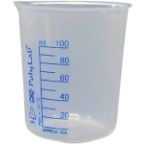 Plastic Beaker (Euro Design)
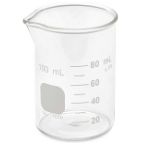 Plastic Beaker (Printed Graduation)
 Test Tube Brush
 Measuring Cylinder Brush
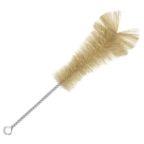 Conical Flask Brush
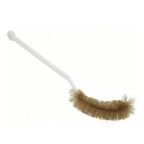 Volumetric Flask Brush
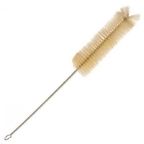 Round Bottom Flask Brush
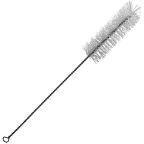 Glass Beaker Brush
 Pipette Brush
 Wash Bottle Brush
 Borosilicate Büchner Flask
 Borosilicate Erlenmeyer/Conical Flask
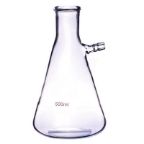 Borosilicate Pear-Shaped Flask
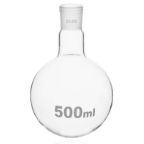 Borosilicate Round Bottom Flask
 Plastic Conical Flask
 Plastic Volumetric Flask
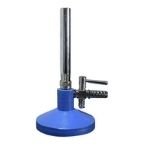 Bunsen Burner
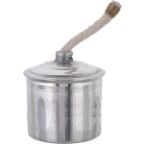 Spirit Lamp
 Borosilicate Glass Burette
 Plastic Burette
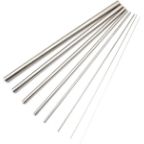 Capillary Tube
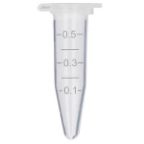 Centrifuge Tube
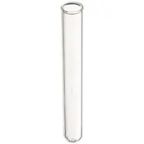 Test Tube
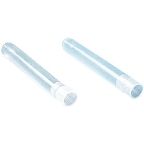 Ria Vial
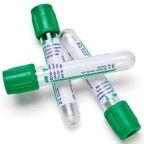 Vacutainer Tubes
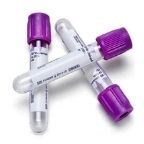 Syringes
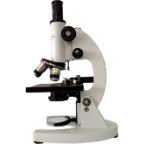 Student Microscope
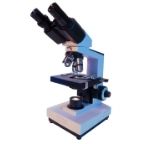 Binocular Microscope
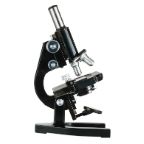 Dissecting Microscope
 Microscope Glass Slides
 Cover Slip
 Inoculating Loop
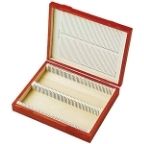 Slide Box
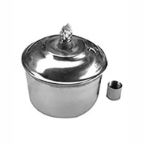 Lamps
Lamps
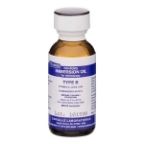 Oils
Oils
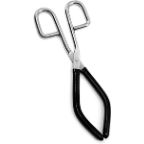 Beaker Tongs
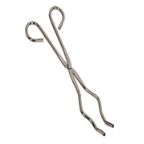 Crucible Tongs
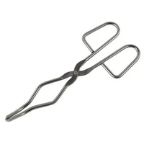 Flask Tongs
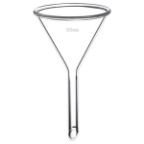 Borosilicate Glass Funnel
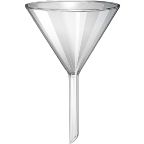 Plastic Funnels
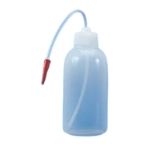 Wash Bottle
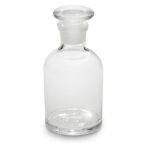 Borosilicate Glass Reagent Bottle
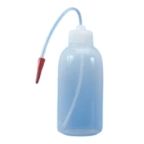 Plastic Reagent Bottle
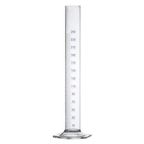 Borosilicate Measuring Cylinder
 Plastic Measuring Cylinder
 Borosilicate Glass Graduated Pipette
 Borosilicate Glass Volumetric Pipette
 HB Pipette
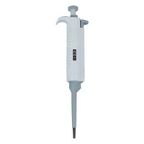 Pasteur Pipette
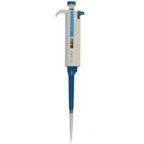 Micropipettes
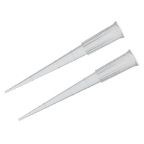 Micropipette Tips
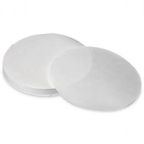 Filter Paper
 Litmus Paper
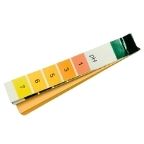 pH Paper
 Chromatography Paper
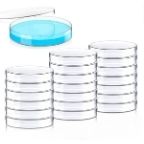 Plastic Petri Plates (Sterile)
 Glass Petri Plates (Non-Sterile)
 Safety Goggles
 Lab Coats
 Gloves
 Masks
Masks
 Shoe Covers
 Hair & Beard Covers
 Steel Spatula
 Plastic Spatula
 Hitachi Sample Cup
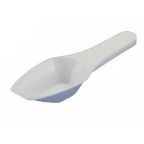 Plastic Scoop
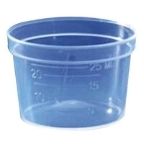 Plastic Medicine Cup
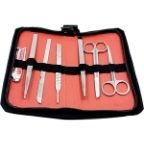 Dissecting Tool Kit
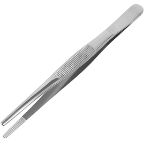 Dissecting Forceps
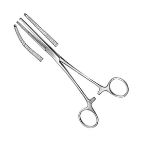 Hemostatic Forceps
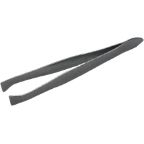 Thumb Forceps / Tweezers
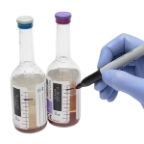 Blood Culture Bottle
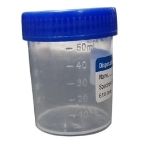 Urine Container
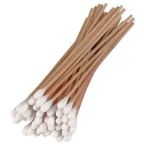 Wooden Swab Stick
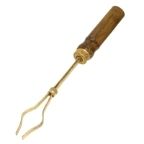 Test Tube Holder
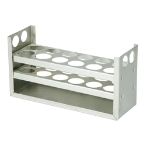 Test Tube Racks
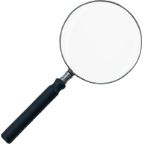 Magnifying Glass
 Watch Glass
 Mortar and Pestle
 Coplin Jar
 Plastic Stirrer
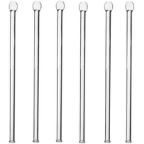 Glass Stirrer
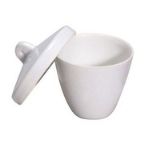 Crucible
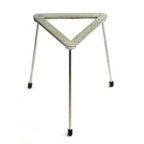 Tripod
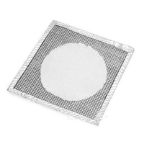 Wire Mesh
 Laboratory Thermometer
 Tourniquet
 Alcohol Swab
 Blood Lancet
 Bandage
 Gloves & Masks









Beaker – A Comprehensive Guide for Everyone

Contents
- What Is a Beaker? Understanding the Basics
- History and Evolution of Laboratory Beakers
- Common Materials Used to Make Beakers
- Standard Shapes and Designs of Beakers
- How Beakers Are Manufactured: An Inside Look
- Types of Laboratory Beakers and Their Uses
- Graduation Marks and Measurement Accuracy
- Why Beakers Are Essential in Scientific Experiments
- How to Properly Use a Beaker in the Laboratory
- Heating and Cooling Compatibility of Beakers
- Chemical Compatibility: What Beakers Can Handle
- Differences Between Beakers, Flasks, and Test Tubes
- Safety Guidelines for Handling Beakers
- Cleaning and Maintenance Tips for Beakers
- How to Choose the Right Beaker Size for Your Experiment
- Beaker Applications in Chemistry Laboratories
- Beaker Applications in Biology and Medical Labs
- Beaker Uses in Educational Institutions
- Innovative Modern Beaker Designs and Features
- Cost, Availability, and Buying Guide for Beakers
- Eco-Friendly and Reusable Beaker Options
- Common Mistakes to Avoid When Using Beakers
- Future Trends in Laboratory Beaker Technology
- Frequently Asked Questions
Welcome to the fascinating world of beakers! These seemingly simple laboratory tools are essential for scientists, students, and anyone dabbling in experiments. Whether you’re measuring liquids, mixing chemicals, or conducting intricate research projects, understanding the various aspects of beakers can significantly enhance your scientific experience.
From their intriguing history and evolution to modern innovations that make them more efficient than ever, this comprehensive guide will take you through everything you need to know about beakers. So grab your lab coat and safety goggles as we dive into the details of these indispensable instruments that play a vital role in laboratories around the globe!
What Is a Beaker? Understanding the Basics
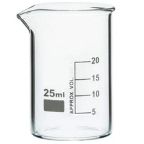
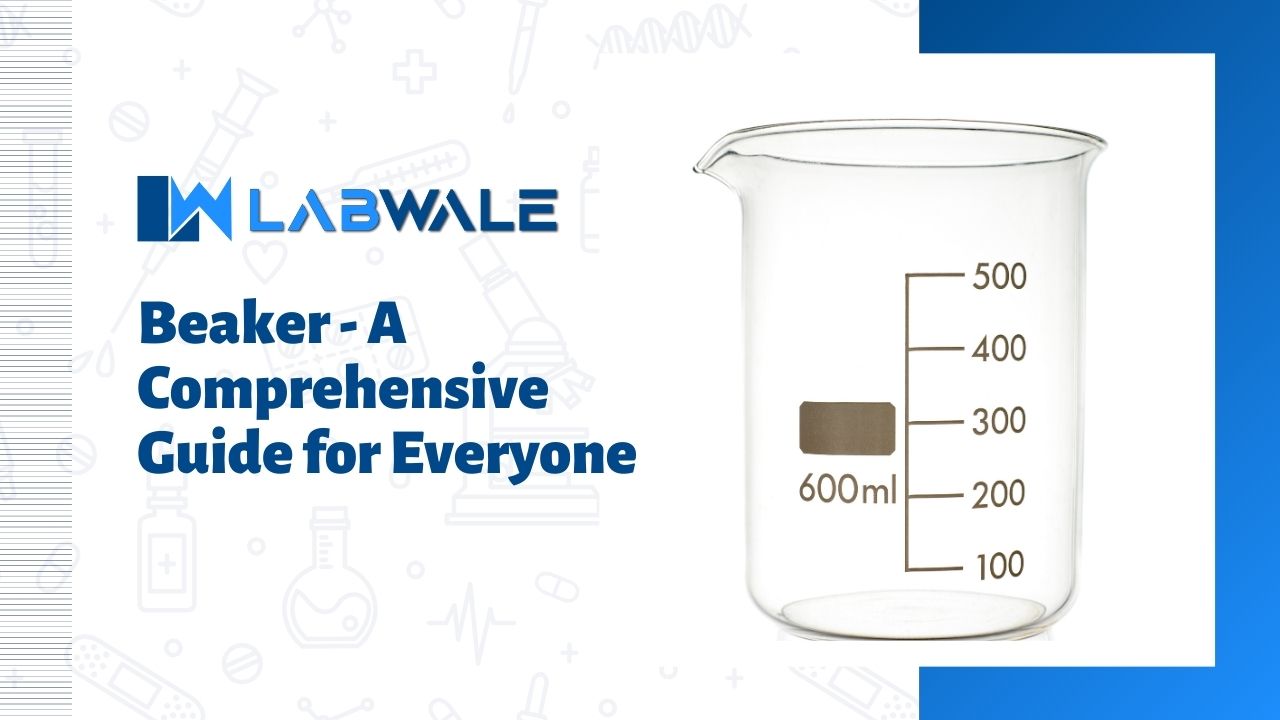
A beaker is a fundamental piece of laboratory glassware, designed for mixing, measuring, and heating liquids. Typically cylindrical in shape with a flat bottom, it features a spout for easy pouring.
Crafted from materials like glass or plastic, beakers come in various sizes ranging from small volumes to several liters. Their clear markings allow users to see measurements at a glance.
Unlike more complex equipment, beakers are straightforward tools that serve multiple purposes. They can hold substances during experiments or act as containers while preparing solutions.
The simplicity and versatility of beakers make them indispensable across many scientific fields. Whether you’re working in chemistry or biology labs, understanding how to use them effectively is crucial for any experiment’s success.
History and Evolution of Laboratory Beakers
The history of laboratory beakers traces back thousands of years. Ancient civilizations, including the Egyptians and Greeks, utilized rudimentary vessels for measurements in alchemy and early science.
As chemistry evolved during the Renaissance, so did the design of beakers. Glassblowers began crafting more refined tools. These new designs allowed chemists to observe reactions while measuring substances accurately.
By the 19th century, standardized glassware became essential in laboratories worldwide. This period saw a significant leap in materials used as scientists sought durability and resilience against chemical reactions.
In modern labs, beakers are typically made from borosilicate glass or high-density plastics. These innovations ensure greater temperature resistance and chemical compatibility.
Today’s designs incorporate features like spouts for pouring and graduated markings for precise measurement. The evolution reflects not just advances in material science but also an ongoing commitment to enhancing scientific accuracy and efficiency.
Common Materials Used to Make Beakers
Beakers are primarily made from a variety of materials, each chosen for specific properties. The most common material is borosilicate glass. This type of glass can withstand high temperatures and sudden temperature changes without breaking.
Another popular choice is plastic, often polypropylene or polyethylene. These materials are lightweight and shatter-resistant, making them ideal for educational settings where accidents might happen frequently.
Certain laboratories also use quartz beakers due to their superior thermal resistance and optical clarity. They’re perfect for applications requiring precise measurements and minimal interference.
Ceramic beakers offer durability as well but are less common in standard lab environments due to their weight and fragility compared to glass options. Each material serves distinct purposes based on the experiment’s needs, ensuring scientists have reliable tools at their disposal during research.
Standard Shapes and Designs of Beakers
Laboratory beakers come in a variety of shapes and designs, each tailored for specific uses. The classic cylindrical shape is the most recognizable. It allows for easy pouring and mixing.
Some beakers feature spouts to facilitate controlled pouring. This design minimizes spills, making them perfect for precise measurements or transferring liquids.
Another common variant is the wide-mouth beaker, which has a broader opening. This style is ideal for combining solid materials with liquids, providing easier access during experimentation.
Beakers can also have graduated markings along their sides. These indicators enhance measurement accuracy and help scientists keep track of volumes at a glance.
Specialized beakers may include features such as double-walled insulation or built-in handles. Such innovations cater to advanced laboratory needs while enhancing user experience and safety in various settings.
How Beakers Are Manufactured: An Inside Look
The manufacturing of beakers involves a fascinating blend of art and science. Typically, they start as raw materials—silica sand, soda ash, and limestone. These ingredients are melted together at extremely high temperatures to form glass.
Once the molten glass reaches the right consistency, it’s shaped using various techniques. Some manufacturers use molds for uniformity while others may opt for hand-blowing methods to create unique designs.
After shaping, the beakers undergo an annealing process. This step is crucial; it helps relieve internal stresses formed during cooling and ensures durability.
Quality checks follow next. Each piece is inspected for defects such as bubbles or cracks before being marked with graduation lines for accurate measurements.
They’re packaged carefully to prevent damage during transport. The entire process combines precision engineering with skilled craftsmanship, resulting in reliable laboratory tools used across disciplines.
Types of Laboratory Beakers and Their Uses
Laboratory beakers come in various shapes and sizes, each designed for specific tasks. The most common type is the graduated beaker. It features measurement markings that allow precise liquid measurements.
Another popular option is the low-form beaker. This design has a wide opening and shallow depth, making it ideal for mixing solutions or heating liquids directly on a hot plate.
For tougher conditions, consider heavy-duty or borosilicate glass beakers. These can withstand high temperatures and sudden temperature changes without breaking.
Plastic beakers are lightweight alternatives often used in educational settings. They’re less fragile but suitable for basic experiments where high accuracy isn’t critical.
There are specialized beakers with spouts that aid pouring without spills. Each type plays a crucial role in scientific investigation, enhancing both efficiency and safety during experiments.
Graduation Marks and Measurement Accuracy
Graduation marks on a beaker serve a crucial purpose. They provide visual indicators of volume, enabling precise measurements during experiments. Reading these marks accurately is essential for achieving reliable results.
The placement and clarity of graduation lines vary among different beakers. Some may feature single or double markings, while others display decimal points for finer measurement accuracy. Understanding how to interpret these graduations can enhance your experimental outcomes significantly.
Measurement accuracy also depends on the liquid’s meniscus level. The curve formed at the surface of the liquid should align with the graduation mark for an exact reading. Observing this simple detail can greatly impact your experiment’s success.
If you’re working with multiple solutions, knowing which type of beaker suits your needs is equally important. Different shapes and sizes cater to various volumes and substances, affecting overall precision in laboratory work.
Why Beakers Are Essential in Scientific Experiments
Beakers play a vital role in scientific experiments due to their versatility and ease of use. These containers are designed for mixing, heating, and holding liquids. Their wide mouths allow easy access for adding materials or stirring solutions.
In the lab, precision is key. Beakers provide a clear view of contents, making it easier to monitor reactions visually. The graduated markings on many models ensure accurate measurements, which is crucial in obtaining reliable results.
Additionally, beakers can withstand various temperatures and chemical substances. This durability makes them suitable for different experimental conditions without compromising integrity.
Their straightforward design means they’re user-friendly for both seasoned scientists and students alike. From chemistry labs to biology settings, beakers facilitate exploration and discovery across disciplines. Each experiment becomes more manageable with these essential tools at hand.
How to Properly Use a Beaker in the Laboratory
Using a beaker correctly is crucial for accurate results. Start by ensuring your workspace is clean and organized. This reduces the risk of contamination.
When pouring liquids into the beaker, do it slowly to avoid spills. Hold the beaker firmly with one hand while using your other hand to guide the liquid in.
Always check for graduation marks on the side of the beaker. These markings help you measure liquids accurately, so take note of where you’re filling up to.
Never heat an empty or nearly empty beaker directly on a flame; this can cause cracking or shattering. Instead, use a hot plate or place water inside before heating any contents.
After completing your experiment, make sure to wash your beaker thoroughly with soap and water. Residual chemicals can interfere with future experiments if not cleaned properly.
Heating and Cooling Compatibility of Beakers
When working in a lab, temperature changes are common. Therefore, understanding the heating and cooling compatibility of beakers is crucial.
Most laboratory beakers are made from glass or certain plastics that can withstand varying temperatures. Borosilicate glass is particularly popular due to its thermal shock resistance. It allows for quick transitions between hot and cold without shattering.
Plastic beakers offer an alternative but may have limitations. Certain types can deform under high heat, making them unsuitable for boiling liquids.
Always check the manufacturer’s specifications before applying heat or extreme cold to any beaker. Knowing whether your chosen material can endure such conditions will help prevent accidents and ensure accurate results.
Additionally, consider using appropriate safety equipment when heating substances in a beaker to avoid burns or spills during experiments.
Chemical Compatibility: What Beakers Can Handle
Beakers are versatile tools in laboratories, but not all materials can handle the same chemicals. When selecting a beaker, it’s crucial to consider its chemical compatibility.
Borosilicate glass is a popular choice for many applications due to its resistance to thermal shock and acidic substances. It withstands high temperatures without breaking down.
Plastic beakers offer lightweight alternatives that resist corrosion from certain bases and acids. However, they may not hold up against more aggressive solvents or hot solutions.
For specialized tasks, there are also fluoropolymer-coated options designed for extreme chemical environments. These beakers provide an extra layer of protection against reactive compounds.
Always refer to manufacturer guidelines when working with unfamiliar substances. Understanding these compatibilities helps ensure safety and precision in experiments while prolonging the lifespan of your lab equipment.
Differences Between Beakers, Flasks, and Test Tubes
Beakers, flasks, and test tubes are fundamental tools in laboratories, each serving distinct purposes.
Beakers are versatile containers ideal for mixing and heating liquids. Their wide mouth allows easy access during experiments. Graduated markings help measure volumes but aren’t always precise.
Flasks come in various shapes—like Erlenmeyer or volumetric—and provide better sealing options than beakers. This makes them great for reactions that require shaking or storing solutions.
Test tubes shine when it comes to small-scale experiments. They offer narrow openings perfect for combining minimal amounts of substances without the risk of spills.
The differences extend to their designs as well; beakers have a cylindrical shape while flasks often taper towards the neck. Test tubes stand alone and fit into racks for stability.
Choosing the right tool depends on your experiment’s needs, whether you’re mixing chemicals or conducting controlled reactions with precision.
Safety Guidelines for Handling Beakers
Safety is paramount when handling beakers in any laboratory setting. Always wear appropriate personal protective equipment, such as gloves and safety goggles, to protect yourself from spills and splashes.
Ensure that your workspace is organized. A clutter-free area reduces the risk of accidents. Be mindful of where you place your beakers; avoid edges or unstable surfaces that could lead to tipping.
When transferring liquids, do it slowly and steadily to prevent overflow. If a spill does occur, know the proper protocols for cleanup based on the material involved.
Never heat a beaker unless it’s specifically designed for high temperatures. Some materials can break under thermal stress.
Always check labels for chemical compatibility before use. Understanding what substances interact negatively will keep both you and your environment safe while conducting experiments.
Cleaning and Maintenance Tips for Beakers
Cleaning beakers is essential for accurate experiments. Residue from previous substances can skew results. Start by rinsing the beaker with warm water to remove any loose debris.
For stubborn stains, a soft sponge or brush works wonders. Avoid abrasive materials that could scratch the glass surface. A mixture of mild detergent and water can effectively tackle grime without damaging your equipment.
After scrubbing, rinse thoroughly under running water to eliminate soap residue. Air drying on a clean rack is best; this reduces the risk of contamination compared to towel drying.
Regular inspections are vital too. Look for chips or cracks that might compromise safety during use. Store beakers properly in designated cabinets away from direct sunlight and extreme temperatures to extend their lifespan.
Implementing these simple cleaning and maintenance steps ensures your beakers remain reliable tools in every experiment you conduct.
How to Choose the Right Beaker Size for Your Experiment
Choosing the right beaker size is crucial for any experiment. It’s important to consider the volume of liquids you’ll be working with. Too small, and you risk overflow; too large, and measurements can become inaccurate.
Start by estimating your sample sizes. If you’re mixing solutions or conducting reactions, a larger capacity may be necessary to accommodate foaming or bubbling.
Next, think about space limitations on your lab bench. A large beaker in a cramped area can lead to spills or accidents.
Also remember the scale of your work—if it’s more precise measurements you’re after, smaller volumes often yield better accuracy.
Always have a few different sizes on hand. This flexibility allows for adjustments during experiments without scrambling mid-procedure for additional equipment. Each project has its unique requirements that dictate which size is ideal.
Beaker Applications in Chemistry Laboratories
Beakers play a vital role in chemistry laboratories, serving multiple purposes that enhance experimental efficiency. They are the go-to vessels for mixing, heating, and holding chemical solutions.
Chemists use beakers to conduct titrations. The graduation marks allow precise measurement of liquids, ensuring accuracy during experiments. Their wide mouths facilitate easy pouring and stirring.
In addition to simple tasks like measuring solvents or reagents, beakers are ideal for preparing samples before more complex procedures. They can also serve as containers during reactions involving various chemicals.
When working with heat sources, many laboratory beakers can withstand significant temperatures without breaking down. This makes them suitable for boiling water or performing exothermic reactions.
Their versatility extends beyond individual experiments; they’re also crucial in collaborative projects where sharing mixtures is essential. Each application underscores the indispensable nature of beakers within chemistry labs everywhere.
Beaker Applications in Biology and Medical Labs
Beakers are indispensable tools in biology and medical laboratories. They facilitate a wide range of applications, from mixing solutions to holding samples for analysis. Their versatility allows scientists to conduct experiments with precision.
In microbiology, beakers serve as containers for culturing bacteria or other microorganisms. Researchers can easily prepare growth media and monitor microbial growth over time within these transparent vessels.
Medical labs also utilize beakers to mix reagents needed for various tests. For example, they are essential when preparing blood samples or performing chemical analyses on bodily fluids.
Moreover, during educational demonstrations, beakers help students visualize biochemical reactions and understand cellular processes effectively. The clear markings enable accurate measurements crucial in experimental setups.
With advancements in design focusing on durability and chemical resistance, modern beakers continue to enhance usability across biological disciplines while ensuring safety standards are met during laboratory procedures.
Beaker Uses in Educational Institutions
Beakers play a vital role in educational settings. They are fundamental tools for students learning about chemistry and biology.
In science classes, beakers facilitate hands-on experiments that enhance understanding of complex concepts. Students measure liquids, mix solutions, and observe reactions firsthand.
Moreover, beakers help promote critical thinking skills. When tasked with specific experiments, learners must decide how much liquid to use or which substances to combine—decisions that foster analytical abilities.
Teachers often utilize beakers during demonstrations as well. Their clear markings allow everyone to see volume changes easily, making abstract ideas tangible and relatable.
Additionally, using these glass or plastic vessels teaches important safety precautions. Proper handling introduces students to laboratory standards they’ll encounter in professional environments later on.
The presence of beakers in classrooms enhances scientific literacy while sparking curiosity among young minds eager to explore the world around them.
Innovative Modern Beaker Designs and Features
Recent advancements in laboratory technology have spurred innovative beaker designs that enhance usability and safety. Ergonomically shaped handles, for instance, allow for a firmer grip while pouring liquids. This design improvement minimizes spills and accidents.
Transparent materials with enhanced clarity offer better visibility of contents. Some modern beakers even come equipped with built-in measurement indicators that update as the liquid level changes, making it easier to gauge precise volumes without additional tools.
Smart technology integration is also on the rise. Beakers now feature sensors that can monitor temperature or pH levels directly through an app. This connectivity streamlines data collection for experiments.
Additionally, many new models incorporate features like spill-proof lids or modular components that allow easy stacking and storage when not in use. These innovations cater to the evolving needs of scientists across various disciplines, enhancing efficiency in laboratories worldwide.
Cost, Availability, and Buying Guide for Beakers
When it comes to purchasing beakers, cost can vary widely based on materials and brand. Standard glass beakers typically range from $5 to $20, while specialized or high-quality options may exceed that.
Availability is generally high. Most scientific supply stores carry a range of sizes and types. Online retailers like Amazon and specialty lab equipment websites also offer extensive selections with detailed product descriptions.
Before buying, consider your specific needs. Think about the size required for your experiments—common volumes include 50ml, 100ml, and 1L options. Pay attention to the material; borosilicate glass is preferred for its durability against thermal shock.
Don’t forget to check for graduation marks if precise measurements are essential in your work. Read reviews to ensure you’re choosing a reliable product that meets laboratory standards before making any purchases.
Eco-Friendly and Reusable Beaker Options
Eco-friendly and reusable beakers are gaining popularity in laboratories across the globe. These options significantly reduce waste, making them an attractive choice for environmentally conscious scientists.
Many manufacturers now produce beakers using sustainable materials like borosilicate glass and bioplastics. Borosilicate glass is known for its durability and resistance to thermal shock, while bioplastics offer a lighter alternative that can still withstand various chemicals.
In educational settings, opting for reusable beakers helps instill a sense of responsibility among students about environmental issues. They learn to minimize single-use plastics right from the start.
Some brands even incorporate recycled materials into their production processes. This innovation not only cuts down on resource consumption but also contributes to a circular economy in laboratory environments.
Investing in eco-friendly beakers means supporting sustainability without sacrificing quality or functionality. It’s an essential step towards greener scientific practices.
Common Mistakes to Avoid When Using Beakers
Using beakers can seem straightforward, but several common mistakes can lead to inaccuracies or accidents.
One major error is not checking for compatibility between the beaker material and the substances being used. Glass may shatter under extreme heat, while certain plastics could leach chemicals into your solution.
Another frequent oversight is neglecting proper measurement techniques. Always read from eye level to avoid parallax errors; this simple step ensures accuracy in your experiments.
It’s also crucial to avoid overfilling. Leaving adequate space at the top prevents spills when stirring or mixing.
Failing to clean beakers properly after use can result in contamination during future experiments. Residual chemicals might react unpredictably with new solutions.
Being mindful of these pitfalls will enhance both safety and precision in laboratory work, enabling more reliable results every time you experiment.
Future Trends in Laboratory Beaker Technology
The future of laboratory beaker technology is looking promising. Innovations are on the horizon that promise to enhance precision and usability.
Smart beakers equipped with sensors could revolutionize how scientists conduct experiments. These devices might monitor temperature, pH levels, or chemical concentrations in real-time. Data could sync with lab software for immediate analysis.
Sustainable materials are becoming increasingly important. Beakers made from biodegradable plastics or recycled glass may soon enter the market, addressing environmental concerns within laboratories.
Ergonomic designs are also gaining traction. Beakers that offer better grips and pouring mechanisms can improve functionality while reducing spillage risks.
Customizable features allow users to adapt their equipment according to specific needs. Interchangeable lids or attachments could cater to various experimental requirements seamlessly.
Frequently Asked Questions
When it comes to beakers, many questions arise. Here are some of the most common queries individuals have about these essential laboratory tools:
What is the primary purpose of a beaker?
Beakers are primarily used for mixing, heating, and holding liquids in a laboratory setting. Their wide mouth design allows for easy pouring and stirring.
Are there different sizes of beakers available?
Yes, beakers come in various sizes ranging from small (50 mL) to large (5 liters or more). Choosing the right size depends on your specific experiment requirements.
Can I use any type of liquid in a beaker?
While many liquids can be handled by standard glass or plastic beakers, it’s crucial to consider chemical compatibility. Some corrosive substances may require specialized materials.
How do I properly clean my beaker after use?
To clean a beaker effectively, rinse it with distilled water immediately after use. For stubborn residues, mild detergents can help. Ensure thorough rinsing before reuse.
Where can I buy high-quality laboratory beakers?
High-quality lab equipment suppliers both online and at local science supply stores offer an extensive range of laboratory-grade glass and plastic beakers suitable for various applications.
 Cardiology
 Clinical Oncology